Introduction
If you ordered PCBs two years ago and you’re ordering them again now, you might notice the conversation has changed. Lead times, board specs, even the questions your supplier asks you upfront — a lot of it traces back to a few big shifts happening across the global PCB industry in 2026. You don’t need to be building AI servers or electric vehicles for these trends to affect you. They’re already shaping material costs, turnaround times, and what “standard” even means for a circuit board. Here’s what’s actually happening, and what it means if you’re sourcing PCBs for your own product.
1. AI Demand Is Quietly Changing What “Standard” PCB Looks Like
AI infrastructure — servers, data centers, high-speed computing — is the single biggest growth driver in the PCB market right now. That might sound irrelevant if you’re building a consumer gadget or an industrial controller, but the ripple effect is real: manufacturers are investing heavily in high-density interconnect (HDI) capacity and advanced materials to serve that demand, which is nudging up baseline capability (and sometimes pricing) across the board. The upside for smaller orders is that fabrication techniques once reserved for cutting-edge work are becoming more accessible and affordable through regular PCB fabrication shops.
2. Boards Keep Getting Smaller and More Densely Packed
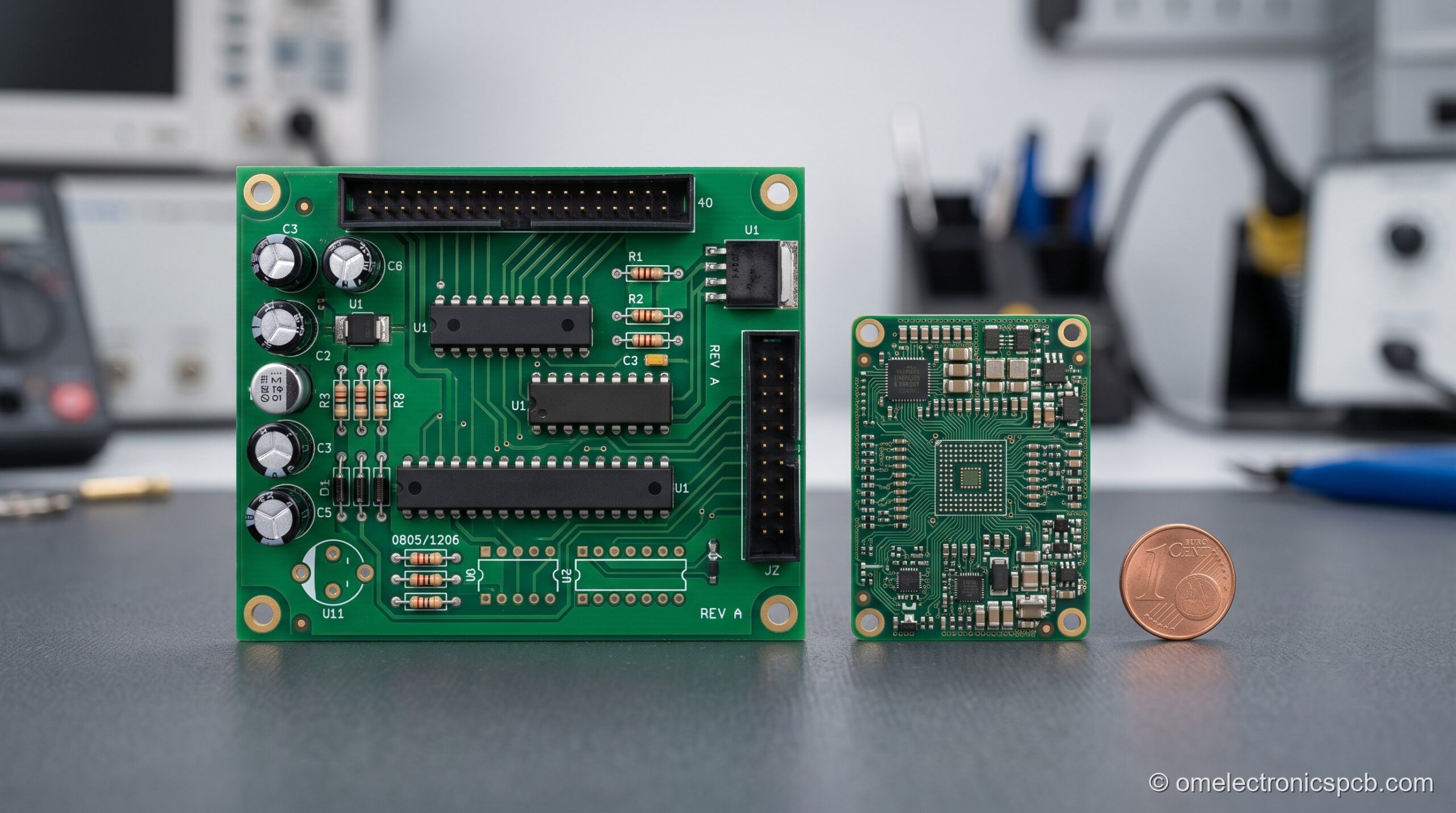
Miniaturization isn’t new, but it’s accelerating. Devices need more features and more power packed into less space, which means finer trace widths, tighter tolerances, and more layers doing more work. If you’re designing a new product in 2026, it’s worth planning your enclosure and layout around multilayer PCBs from the start rather than retrofitting a single or double-sided design later — it’s usually cheaper to design for density once than to redesign for it after your first prototype run.
3. Electric Vehicles Are Pushing Heavier, Tougher Boards
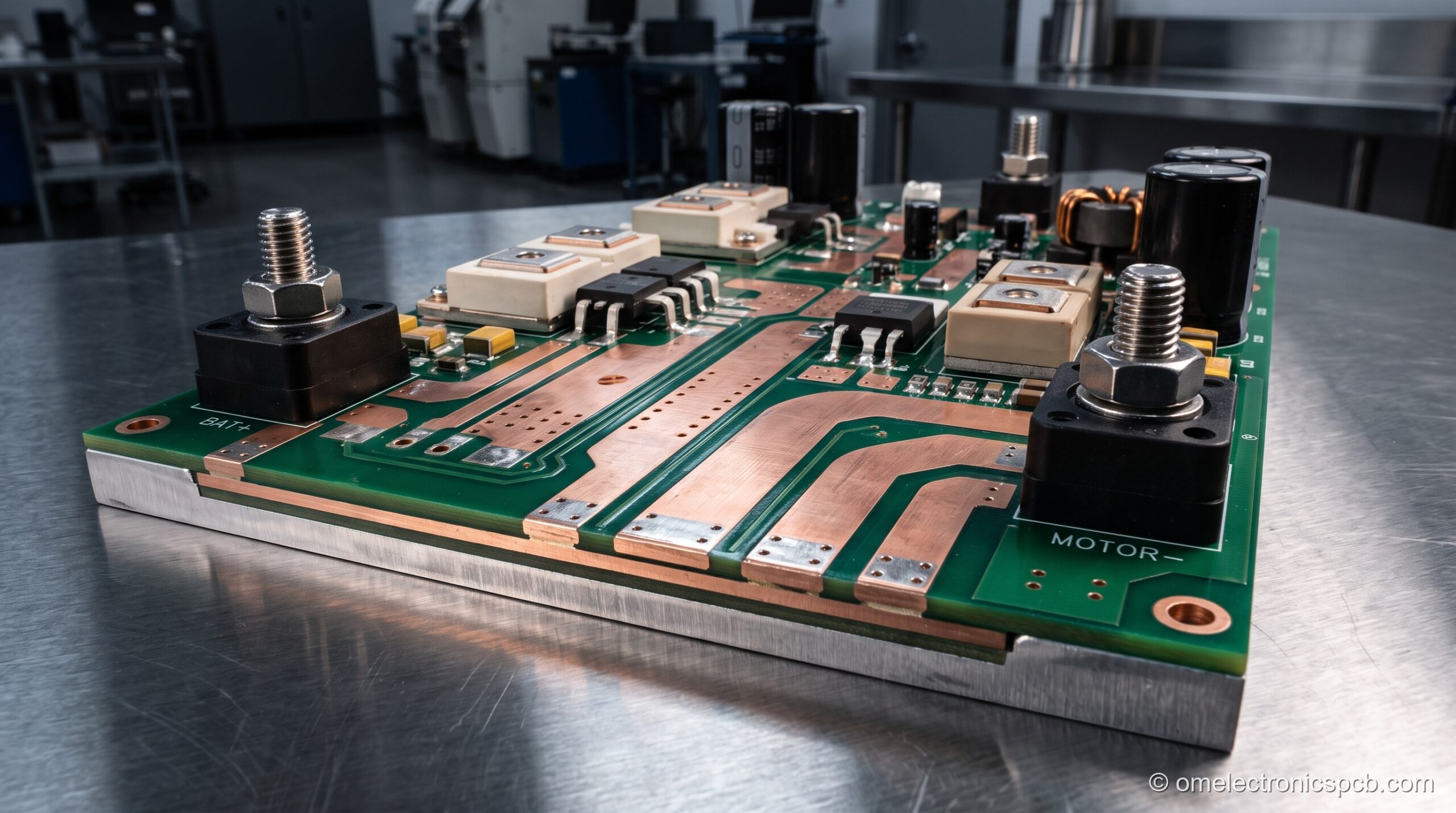
EVs need boards that survive vibration, heat, and years of continuous duty cycles — conditions a typical consumer PCB was never built for. That’s driving demand for heavy-copper and high-Tg boards, and it’s a big reason metal-core PCBs are showing up in more applications beyond just LED lighting: motor controllers, battery management systems, and power electronics all lean on the same heat-handling properties.
4. Sustainability Is Becoming a Real Requirement, Not a Buzzword
More buyers — especially larger OEMs and export-facing businesses — are asking about environmental compliance before they finalize a supplier, not after. Lead-free processes, responsible material sourcing, and cleaner production methods are moving from “nice to have” to a genuine part of vendor selection criteria. If you sell into international markets, expect this question to come up in RFQs a lot more often over the next year.
5. What This Means If You’re Sourcing PCBs From India
Put together, these trends favor manufacturers who can move fast on prototypes, hold tight tolerances, and talk you through material trade-offs instead of just quoting a price. That’s exactly why more businesses across Punjab and North India are choosing to keep PCB prototyping and fabrication local — shorter feedback loops mean you catch design issues before they turn into expensive re-spins. Whether you need a quick single-layer prototype or a heavy-copper multilayer board for an EV application, the fundamentals haven’t changed: get your design reviewed early, and work with a manufacturer who’ll tell you honestly what a spec change will cost you.
Frequently Asked Questions
Do these trends affect small or one-off PCB orders too?
Yes, indirectly. Material costs and lead times across the industry shift with overall demand, even if your order is small. It’s worth asking your manufacturer directly how current market conditions are affecting your specific board type.
Should I switch to a multilayer or heavy-copper design because of these trends?
Only if your application actually needs it. More layers and heavier copper add cost — they make sense for high-density or high-power designs, not for every project.
Key Takeaways
- AI-driven demand is raising the bar on standard PCB capability, often to your benefit.
- Design for density and multilayer support early if your product needs it — retrofitting is expensive.
- Heavy-copper and metal-core boards are moving beyond LED lighting into EV and power applications.
- Sustainability questions are increasingly part of supplier evaluation, especially for export.
- A local manufacturing partner who catches design issues early is more valuable than ever.
Not sure which board type or layer count fits your 2026 project? Get in touch for a quote and we’ll walk you through it.